
Bristol’s Sound: How Regional Scenes Shape Music | BPI Guest Post by Laura Lewis-Paul
Ahead of the BRIT Awards' first time in Manchester this Saturday, Laura Lewis-Paul of Saffron Music gives us her take on the importance of regional scenes in shaping today's music industry:
As we approach BRIT Awards season, it’s a moment to reflect not just on who gets nominated, but on how those artists came to be seen, heard, and celebrated. Many of this year’s nominees didn’t simply arrive, they worked closely with their record labels for many years having emerged from ecosystems, communities, and support networks that nurtured their creativity long before being on these national stages.
This year’s BRIT Awards are happening outside London for the first time at Manchester’s Co-op Live, a recognition that Britain’s music culture is not London-centric. Artists emerging from strong regional scenes, like Sam Fender in Newcastle, which is to host the Mercury Prize for a second year in October, breakthrough acts from Liverpool and beyond , remind us that talent blossoms where community and support exist, not just where industry infrastructure is concentrated. This mirrors what we’ve seen at Saffron: when people are nurtured, connected, and given space to grow, they don’t just survive, they help shape the sound of our culture.
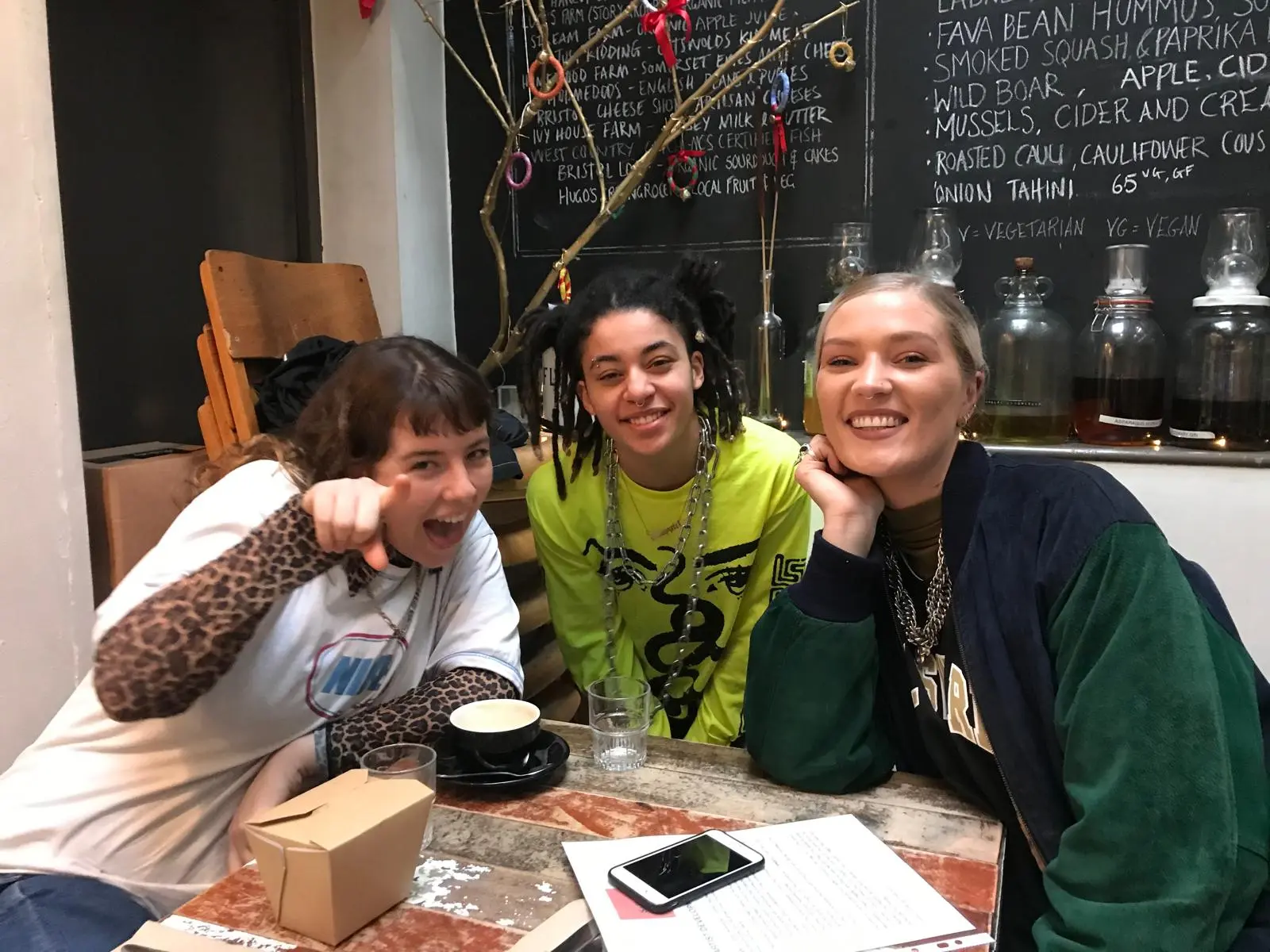
Regional music scenes have long been crucibles of sound. Bristol’s legacy alone, from Massive Attack and Portishead to the contemporary wave of bass, dub, and jungle , tells a story of music created outside London but defining British culture. For me personally, Bristol gave me a sense of belonging, a place where music wasn’t just sound, but community. It showed me why artists should be able to stay, create, thrive, and give back to the places that raised them. If the UK music industry truly wants to reflect the diversity of its population, it must invest in place, not just platform.
I’ve spent the last ten years working in music tech and supporting artists from underrepresented backgrounds through Saffron, and one thing is absolutely clear; regional music networks are essential. They are where grassroots talent grows, creativity is nurtured, and people who’ve been excluded from the industry can see themselves reflected. These networks give artists the space to experiment, build confidence, and connect with peers who understand what it’s like to start out in a world that doesn’t always make room for you. Without them, many voices feel forced to move to London or other hubs just to be seen, and in doing so, we lose part of what makes their sound and perspective unique.
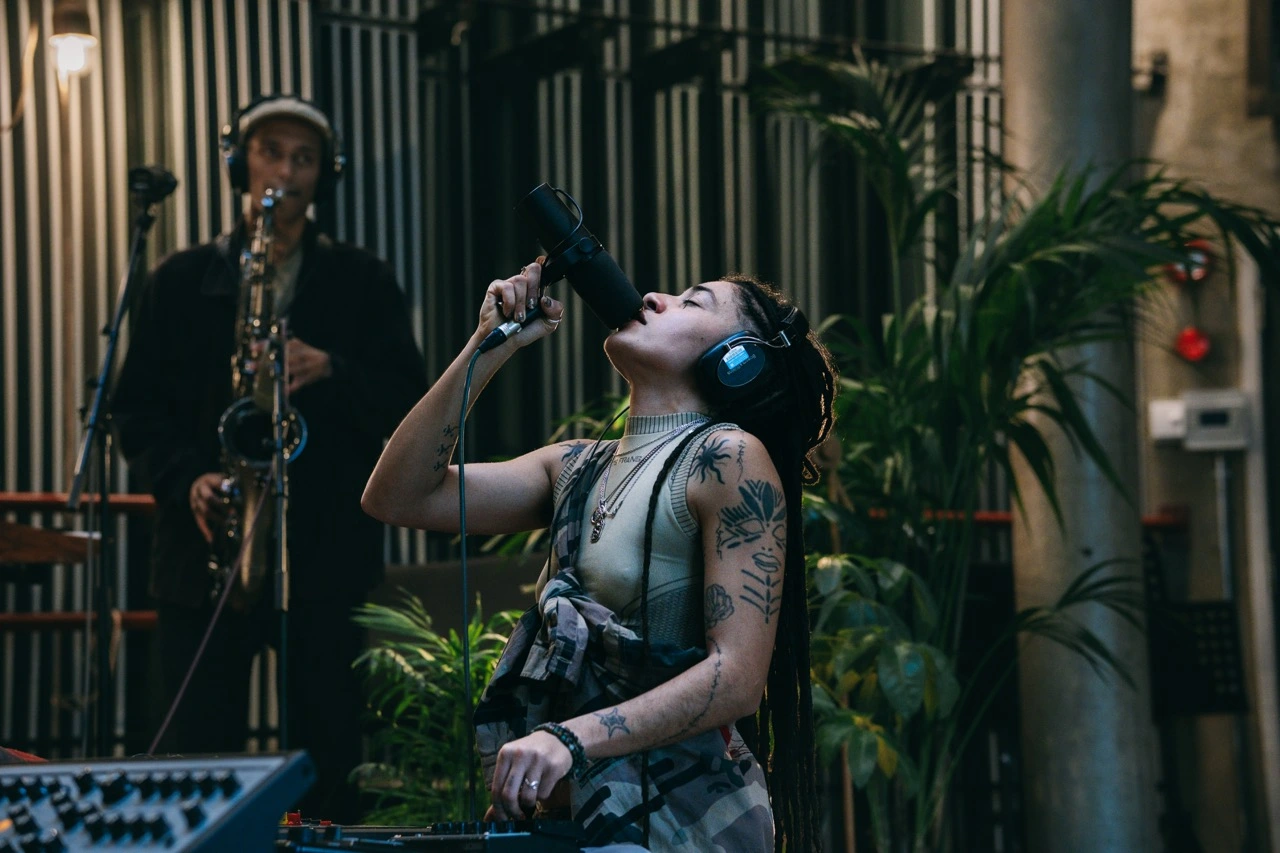
The impact goes far beyond the artists themselves. When talent thrives locally, it strengthens the city. Artists spend money in studios, venues, and cafes; festivals and gigs bring audiences and revenue; jobs are created for producers, technicians, and educators , many from communities that have historically been overlooked. Over time, a strong music scene becomes part of a city’s identity, creating a cycle where culture and economy feed into each other, and everyone benefits.
What I’ve seen at Saffron is how these networks also create artists who give back. Those supported through our programs often mentor others, curate inclusive line-ups, or run events that make space for the next generation. It’s not just about individual success; it’s about lifting the community as a whole.
The wider music industry feels it too. Regional networks are where unique sounds, new genres, and fresh ideas emerge. They feed talent pipelines with artists who might otherwise be invisible. By intentionally supporting women, non-binary, trans, and Black artists, these spaces also begin to correct the inequities baked into the industry. And by nurturing creativity outside the capital, we ensure music culture is spread out, diverse, and dynamic, rather than concentrated in a single city.
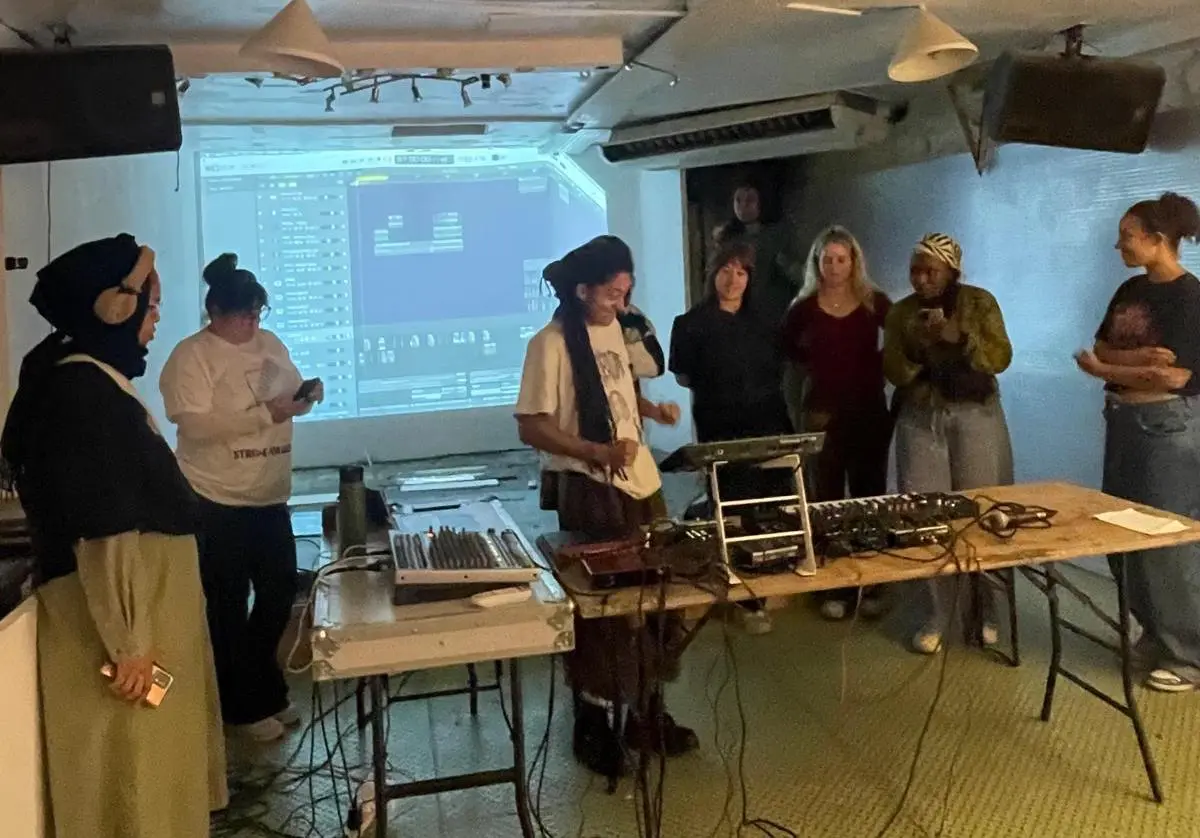
It has been incredible to witness artists who were once nervous about even stepping into a studio grow into confident producers, composers, and DJs. I’ve seen how local music scenes can lift a city , economically and culturally , when the right support is there. And I know that when artists feel held, seen, and empowered, they don’t just thrive for themselves; they feed that energy back into the ecosystem, creating opportunities for others to rise alongside them.
Regional networks don’t just support music , they sustain it. They nurture the people, the culture, and the communities that make our industry meaningful. And that, for me, is why they matter more than ever.
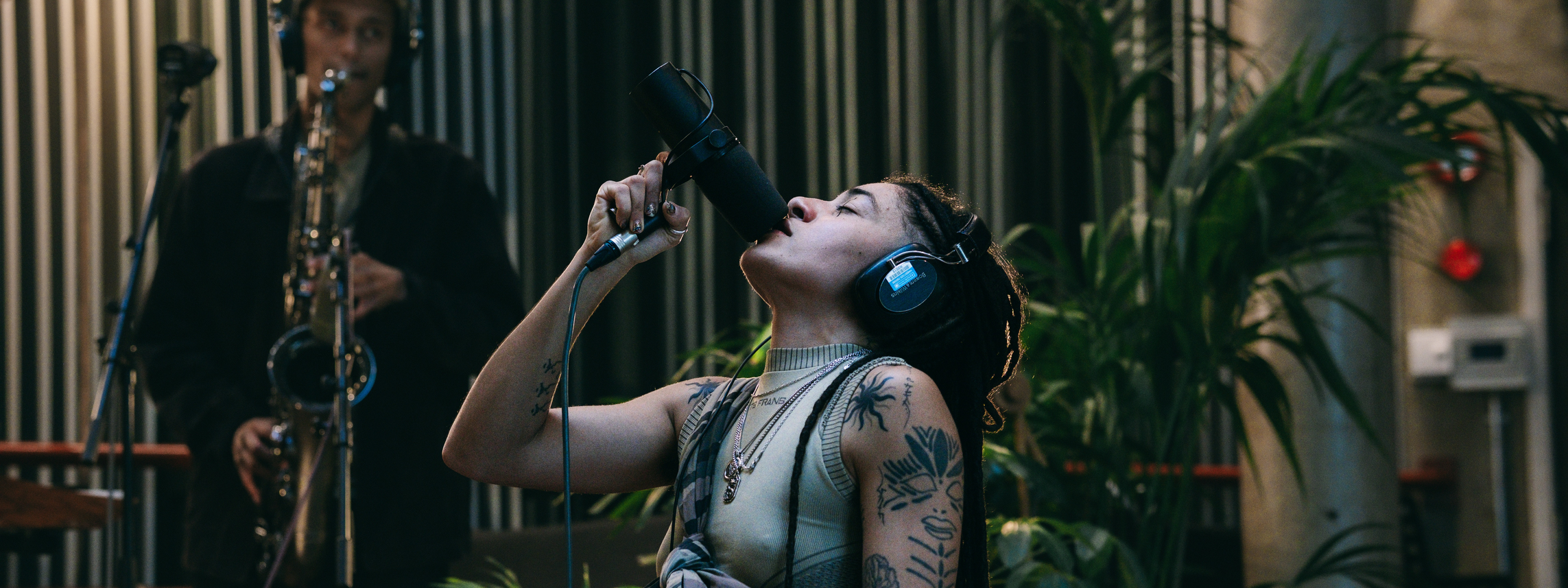
Photography by Emma Davies.
instagram handle is @emmadavies.creative